
Building a custom home is one of the most exciting milestones a homeowner can experience. At the same time, it is a process that involves many stages, decisions, and moving parts. For those who have never built a home before, understanding what happens during the construction timeline can make the experience far less overwhelming.
At J&F Construction, we believe the best building experiences come from clear communication and thoughtful planning. While every custom home project is unique, most follow a similar sequence of stages that guide the process from an initial idea to a finished home.
Understanding this timeline helps homeowners know what to expect and how their dream home gradually comes to life.
The Planning and Design Phase
Every successful custom home begins with careful planning. This stage is where homeowners work closely with designers, architects, and builders to define their vision for the project.
During the planning phase, conversations focus on lifestyle needs, preferred architectural style, and how the home should function day to day. Families may discuss features such as open living areas, home offices, outdoor entertaining spaces, or specialty rooms designed for hobbies or guests.
Detailed floor plans and design concepts are developed, and budgets are carefully reviewed to ensure the project aligns with financial expectations. Builders also assist with material recommendations and help homeowners understand how certain design choices may affect cost or construction timelines.
Permits and local approvals are typically secured during this phase as well. Completing this step thoroughly helps ensure the rest of the building process runs smoothly.
Preparing the Site
Once the design and approvals are finalized, construction can begin. The first physical stage of the project involves preparing the land where the home will be built.
Site preparation may include clearing trees or vegetation, grading the land to create a stable building surface, and establishing drainage to protect the future structure. If utilities such as water, electricity, or septic systems need to be installed, this is usually handled during this phase.
The foundation is then poured, creating the base that supports the entire home. Because the foundation plays such a critical role in the long-term durability of the structure, builders take great care to ensure everything is properly measured and constructed.
Framing the Structure
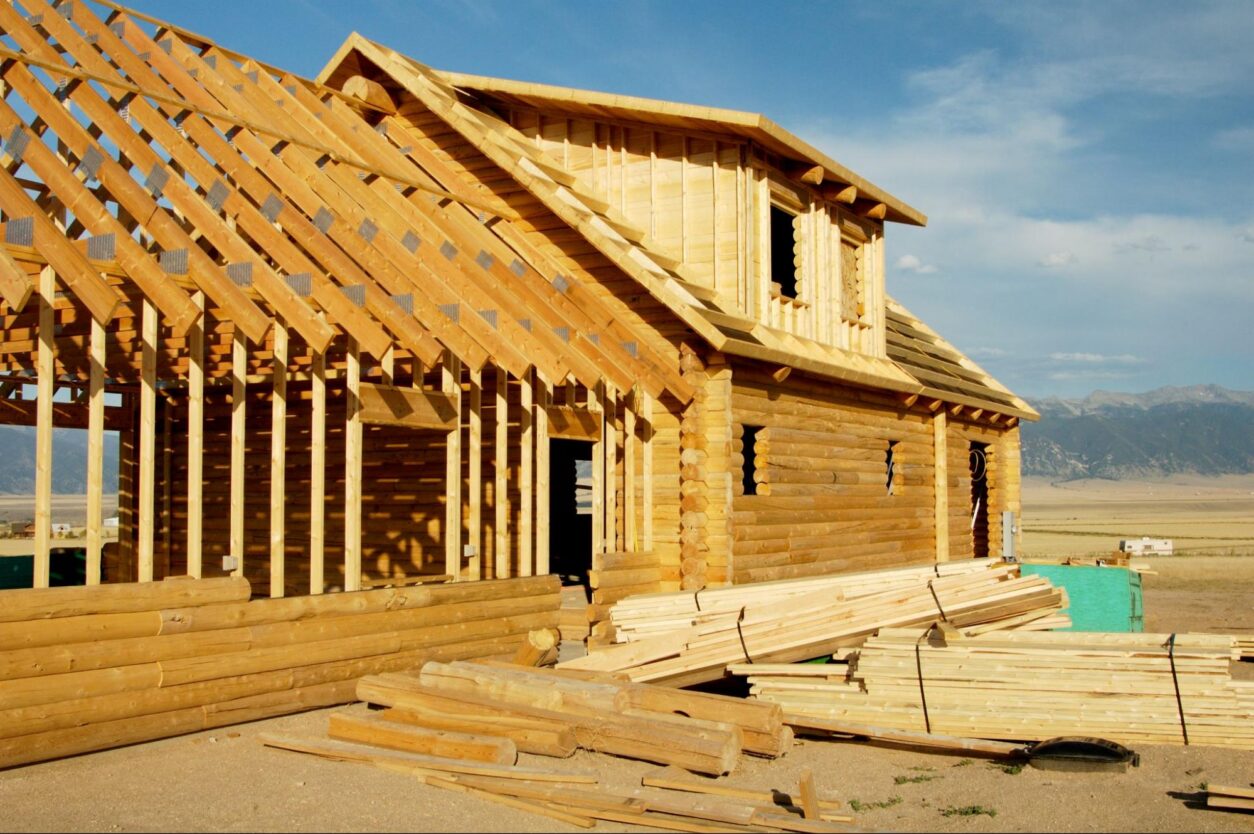
After the foundation is complete, the framing stage begins. This is the moment when the home truly starts to take shape.
The framing process involves constructing the walls, floors, and roof structure that form the skeleton of the home. As framing progresses, rooms, hallways, and ceiling heights become visible for the first time.
Many homeowners find this stage especially exciting because they can physically walk through the layout and begin to imagine how the finished home will look and feel. It is often the first time the vision on paper becomes a tangible space.
Builders carefully follow architectural plans during framing to ensure every dimension and structural element is precise.
Installing Mechanical Systems
Once the structure is framed, contractors begin installing the essential systems that allow the home to function comfortably and efficiently.
This includes electrical wiring, plumbing lines, heating and cooling systems, and ventilation components. These systems are typically installed behind walls and ceilings, so careful planning and inspection are important before the next phase begins.
Insulation is also installed during this stage to improve energy efficiency and help maintain a comfortable indoor temperature throughout Montana’s changing seasons.
Local building inspectors often review the work at this stage to confirm that all systems meet safety codes and building standards.
Interior and Exterior Finishes
With the major structural and mechanical components in place, attention turns to the finishing details that give the home its personality and style.
Exterior elements such as roofing, siding, stonework, and windows are completed to protect the home from the elements and define its architectural appearance.
Inside the home, drywall is installed and painted, flooring is laid, and cabinetry and countertops are added. Lighting fixtures, trim work, and other design details bring the interior spaces together.
This phase is often one of the most rewarding for homeowners because the design choices made during the planning stage finally begin to take visible form.
Final Walkthrough and Move-In
As construction nears completion, the builder and homeowner conduct a final walkthrough of the property. This step ensures that every detail meets expectations and that the home is ready for move-in.
During the walkthrough, any final adjustments or touch-ups are noted and completed before the project is officially finished. Builders may also explain how certain systems in the home operate, such as heating systems, smart technology features, or maintenance considerations.
Once everything is complete, the keys are handed over and the home is ready to be enjoyed.
A Process Built on Collaboration
While the custom home building timeline includes many stages, the most important element throughout the process is collaboration. Successful projects rely on open communication between homeowners, builders, designers, and contractors.
At J&F Construction, we guide our clients through each phase so they always understand what is happening and what comes next. Our goal is to make the process feel organized, transparent, and exciting from beginning to end.
Conclusion
Building a custom home takes time, planning, and expertise, but the result is a space designed specifically for the way you live. From early planning and site preparation to framing, finishes, and final walkthroughs, each stage plays an important role in bringing a dream home to life.
With the right builder and a clear understanding of the process, the journey can be just as rewarding as the finished home itself.
At J&F Construction, we are proud to guide homeowners through every step of that journey and help them create homes that will be enjoyed for generations.